


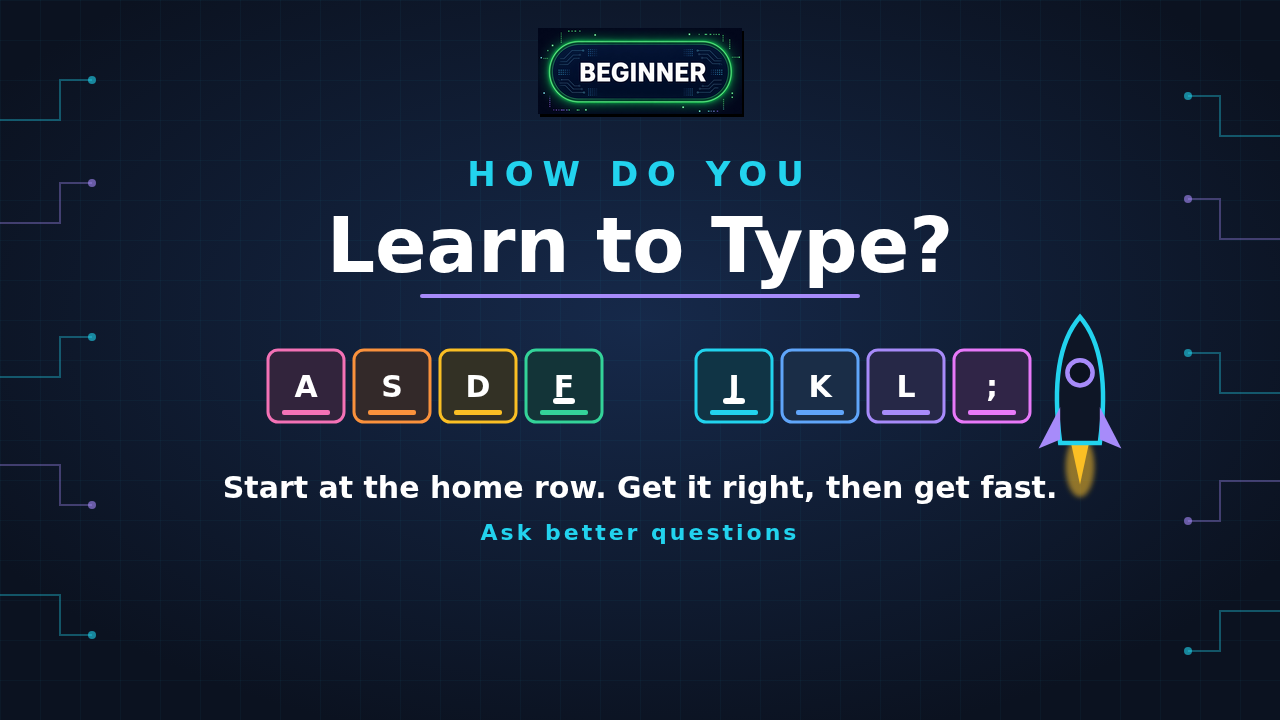
Learn to type the way typists do. Find the home row, feel the bumps on F and J, and get it right before you get fast. Free STEM lesson for Grade 2 and up. Beginner · STEM · Curiosity Questions Materials: A computer with a keyboard (an iPad with a ke...
Read More
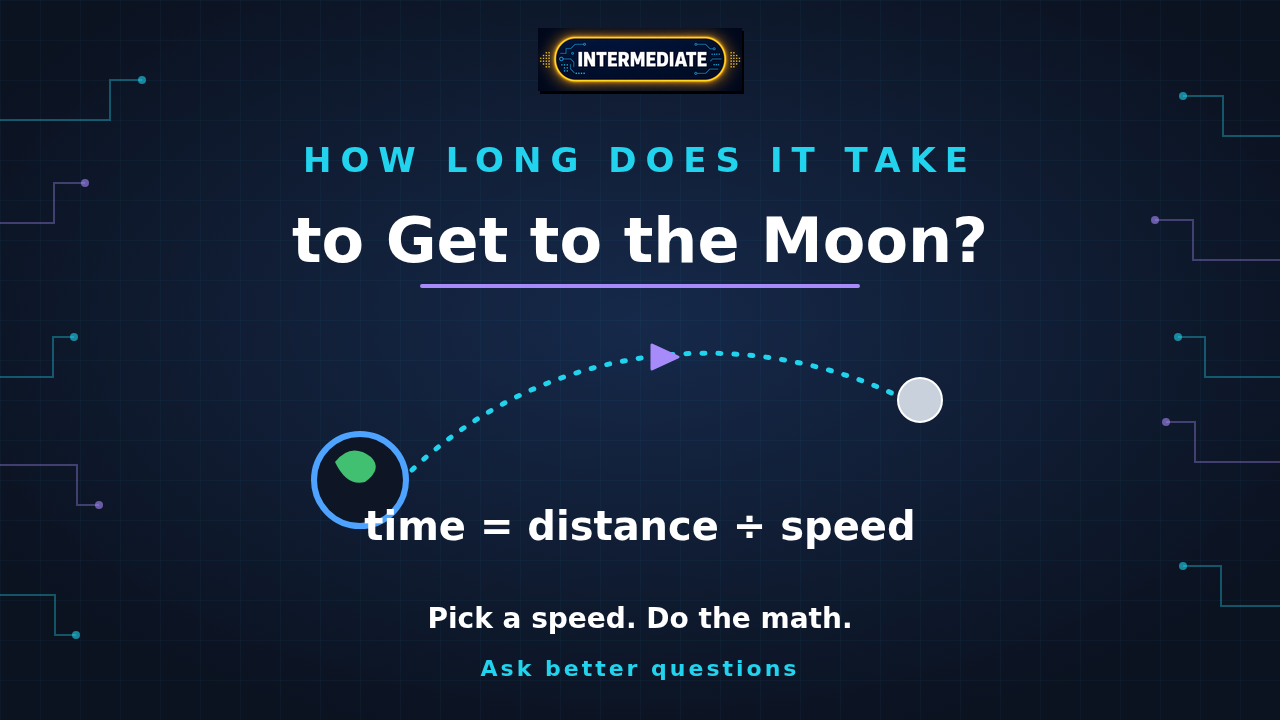
Use time = distance divided by speed to find how long a trip to the Moon takes, from walking to real NASA missions. Free STEM lesson. Intermediate · STEM · Curiosity Questions Materials: A calculator, paper and a pencil. The Moon Trip Ticket in the ...
Read More
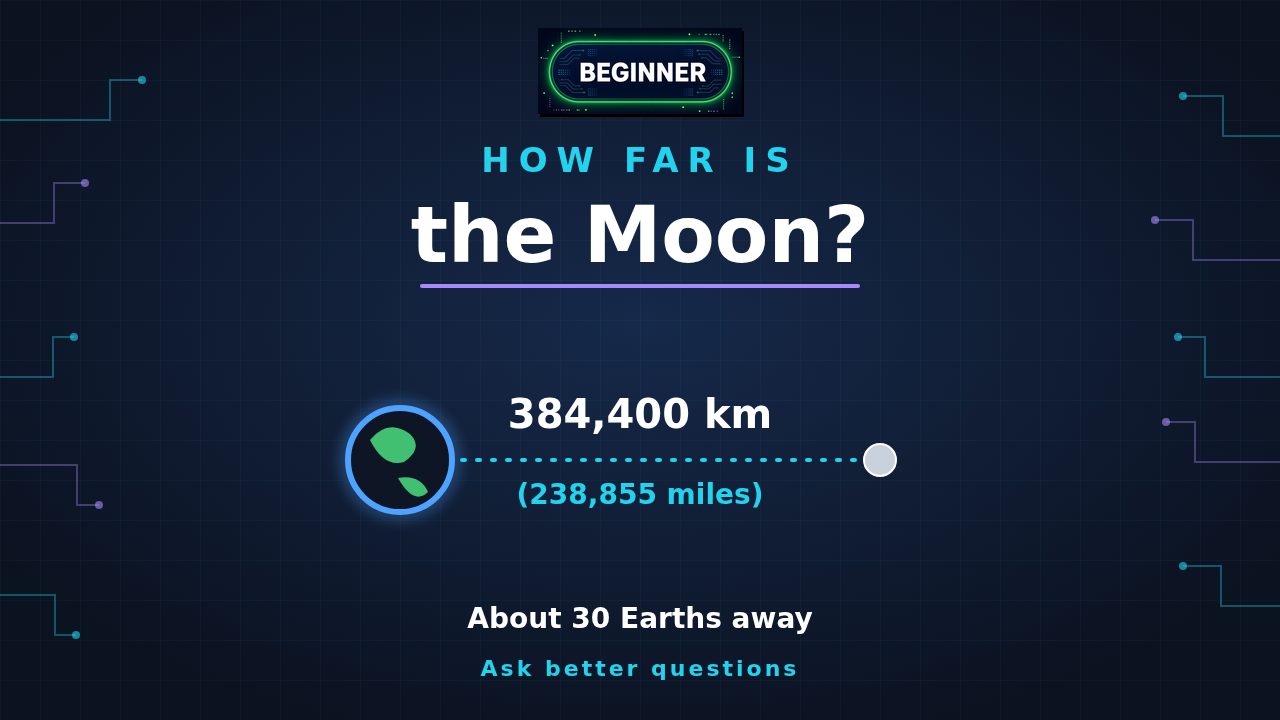
The Moon is an average of 238,855 miles (384,400 kilometers) from Earth. That is about 30 Earths. Build a scale model to see it. Beginner · STEM · Curiosity Questions Materials: Two small balls, about 1 inch and 1/4 inch wide. String, scissors and a...
Read More
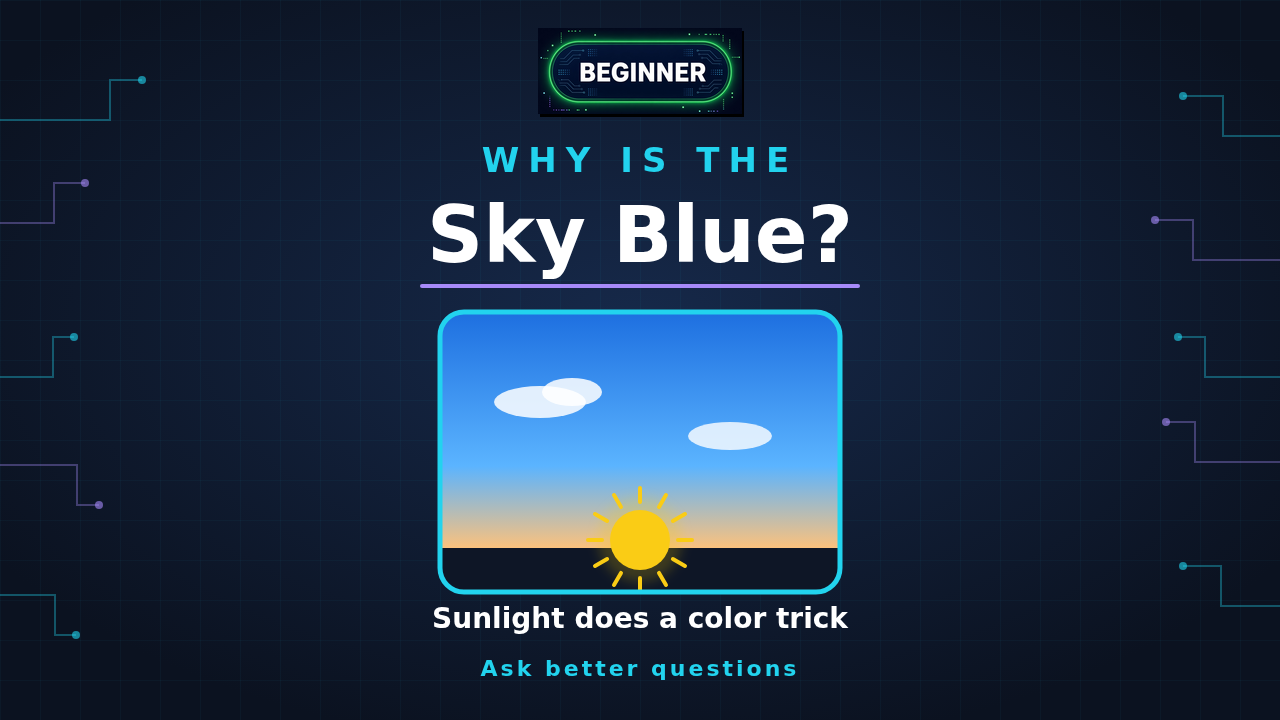
The sky is blue because air scatters blue light much more than red light. Here is how it works, for kids and grown-ups. Beginner · STEM · Curiosity Questions Materials: A tall clear glass, water, a little milk, a flashlight and a dark room. Paper an...
Read More
A scam call is a phone call where someone lies to get your money or private information. Learn the signs and what to do, calmly. Beginner · Safety · Curiosity Questions Materials: Paper, a pencil, and a grown-up to read with you. You do not need a p...
Read More
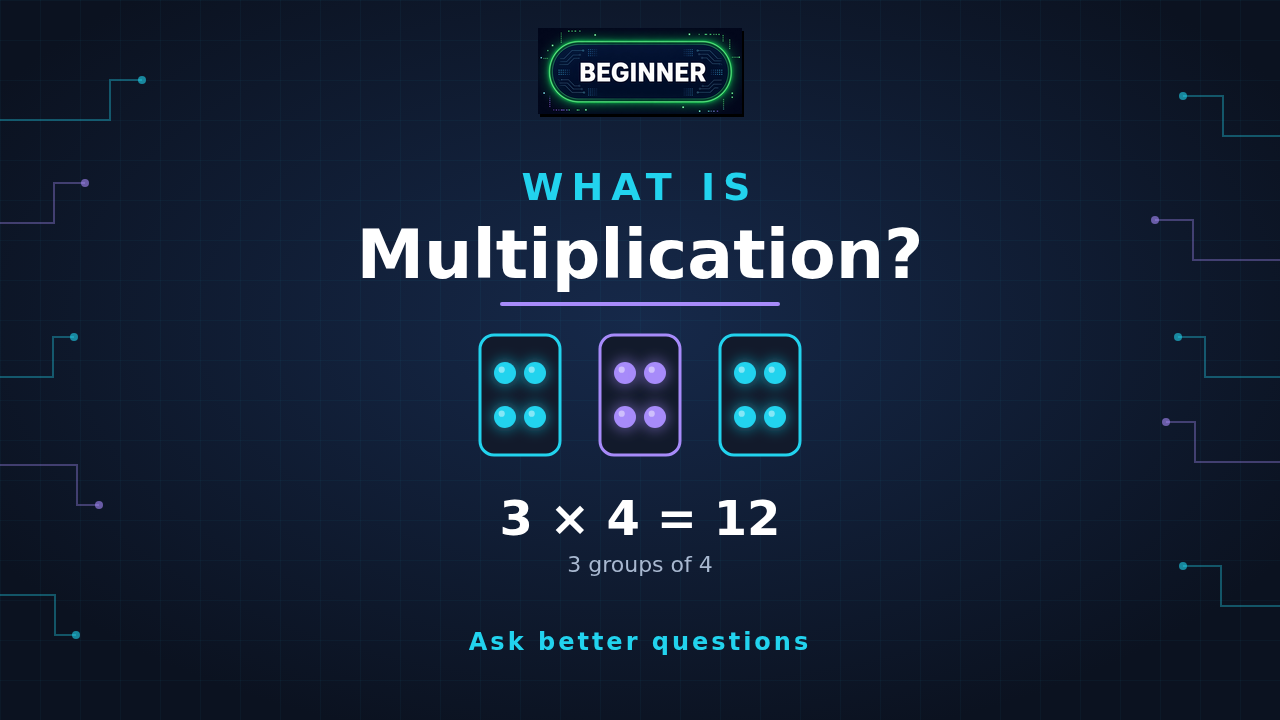
Beginner · STEM · Curiosity Questions Materials: 12–24 small household objects (coins, buttons, dry pasta, blocks or socks), paper and pencil. Optional: paper plates or bowls, an egg carton or muffin tin. Tips: Read the What and How parts aloud toge...
Read More
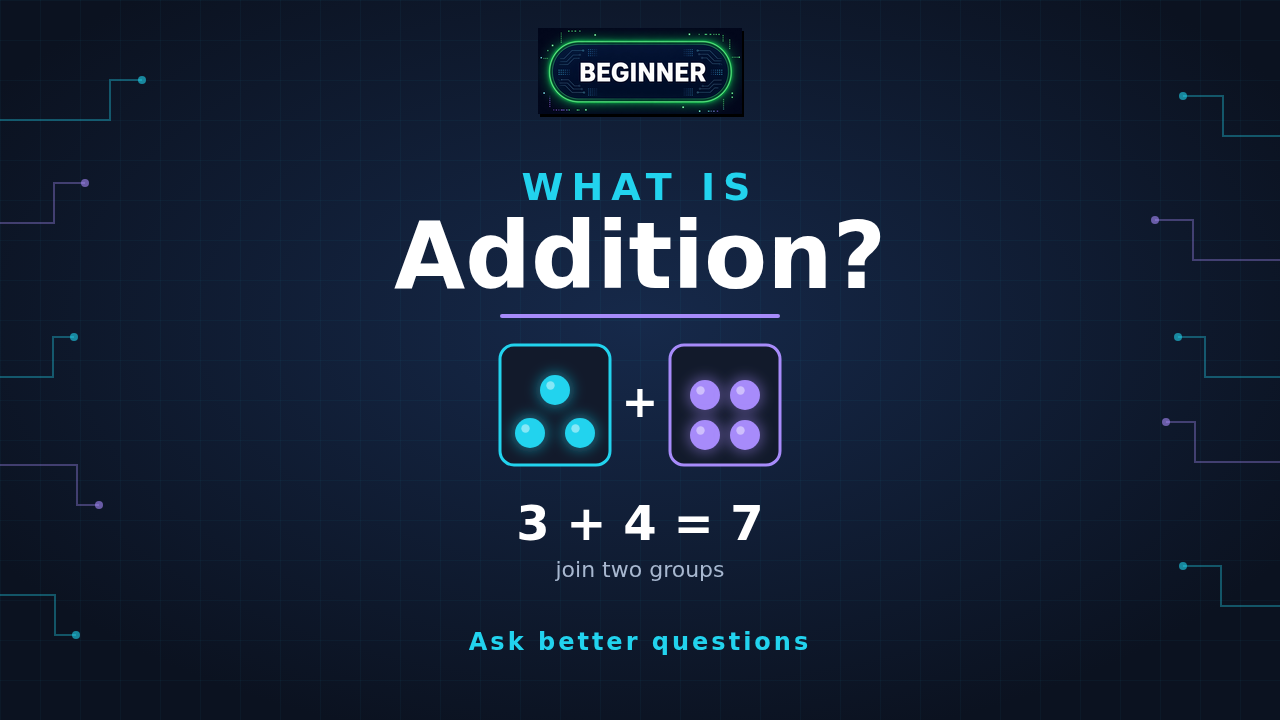
Beginner · STEM · Curiosity Questions Materials: 10–20 small household objects (coins, buttons, dry pasta, blocks or socks), two bowls or cups, paper and pencil. Optional: an egg carton and a paper strip for a number line. Tips: Read the What and Ho...
Read More
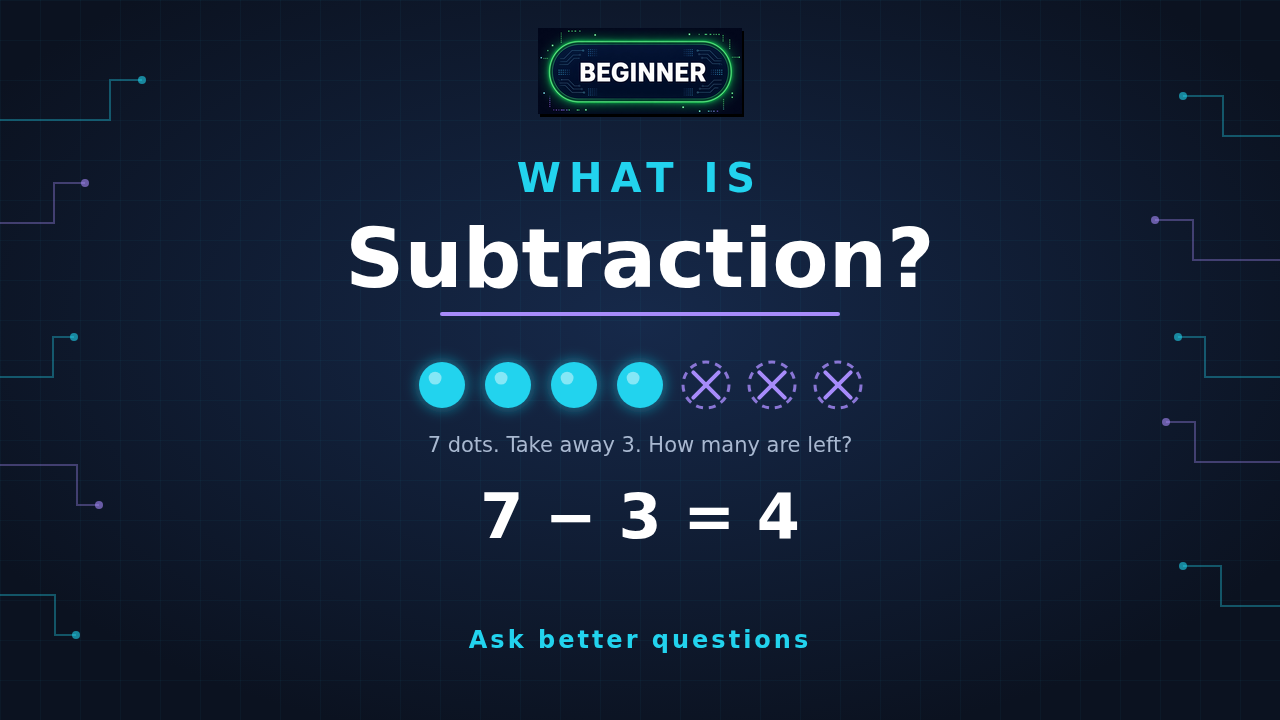
Beginner · STEM · Curiosity Questions Materials: 10–20 small household objects (coins, buttons, dry pasta, blocks or socks), paper and pencil. Optional: a paper plate or bowl, a strip of paper for a number line. Tips: Read the What and How parts alo...
Read More
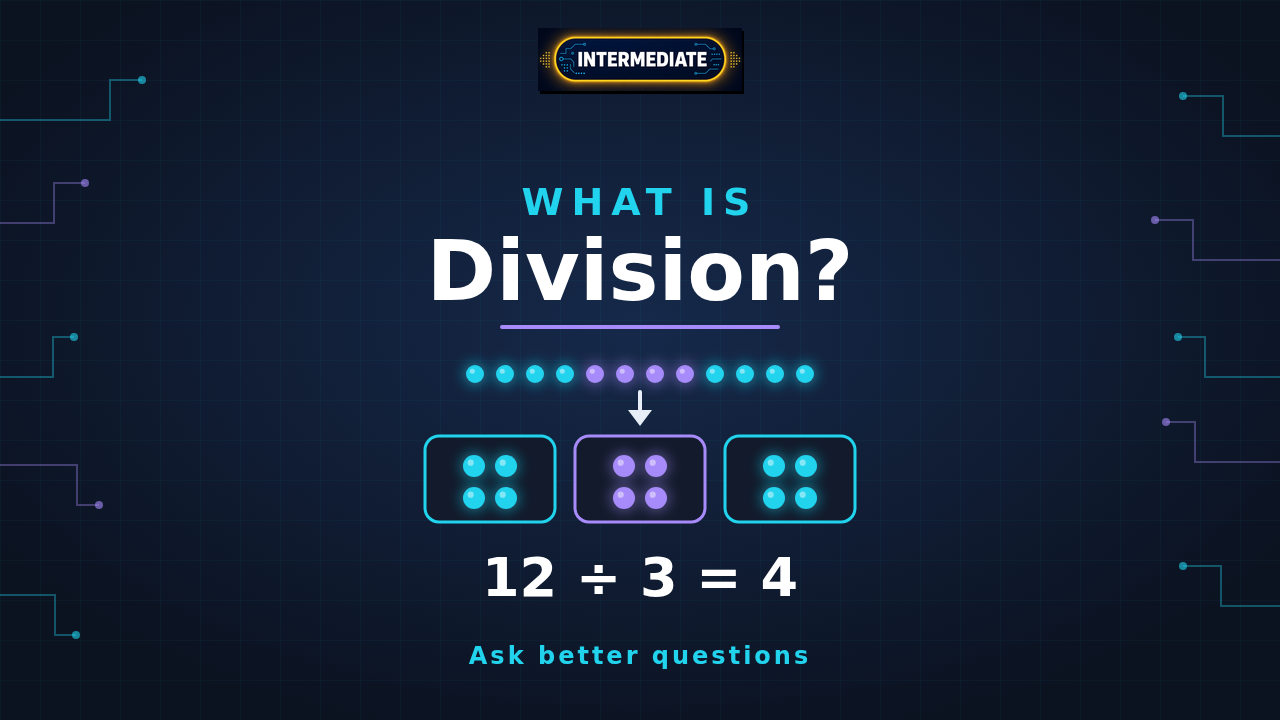
Intermediate · STEM · Curiosity Questions Materials: 12–24 small household objects (coins, buttons, dry pasta, blocks or socks), paper and pencil. Optional: paper plates or bowls, a muffin tin or egg carton. Tips: Read the What and How parts aloud t...
Read More
Beginner · STEM · Curiosity Questions Materials: Pencil or crayons, scrap paper, 8–12 small household objects (or picture cards) for sorting — like socks, spoons, crayons, toy cars. Optional (adult-led only): a familiar phone or tablet app you alrea...
Read More
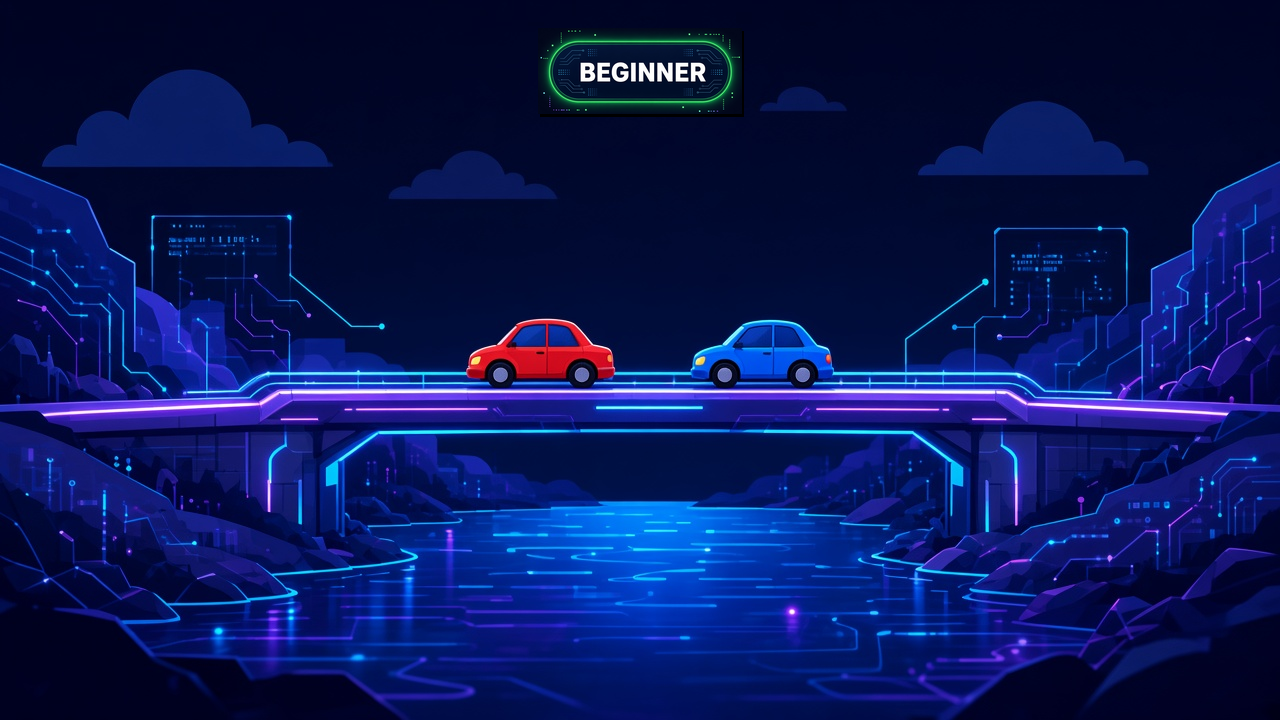
Beginner · Engineering · Curiosity Questions Materials: 2 stacks of books (or sturdy boxes), 1 sheet of paper, tape, scissors (adult help), small toy cars or erasers. Optional: cardboard scrap, string, marshmallows and toothpicks. Parent tip: Read...
Read More